

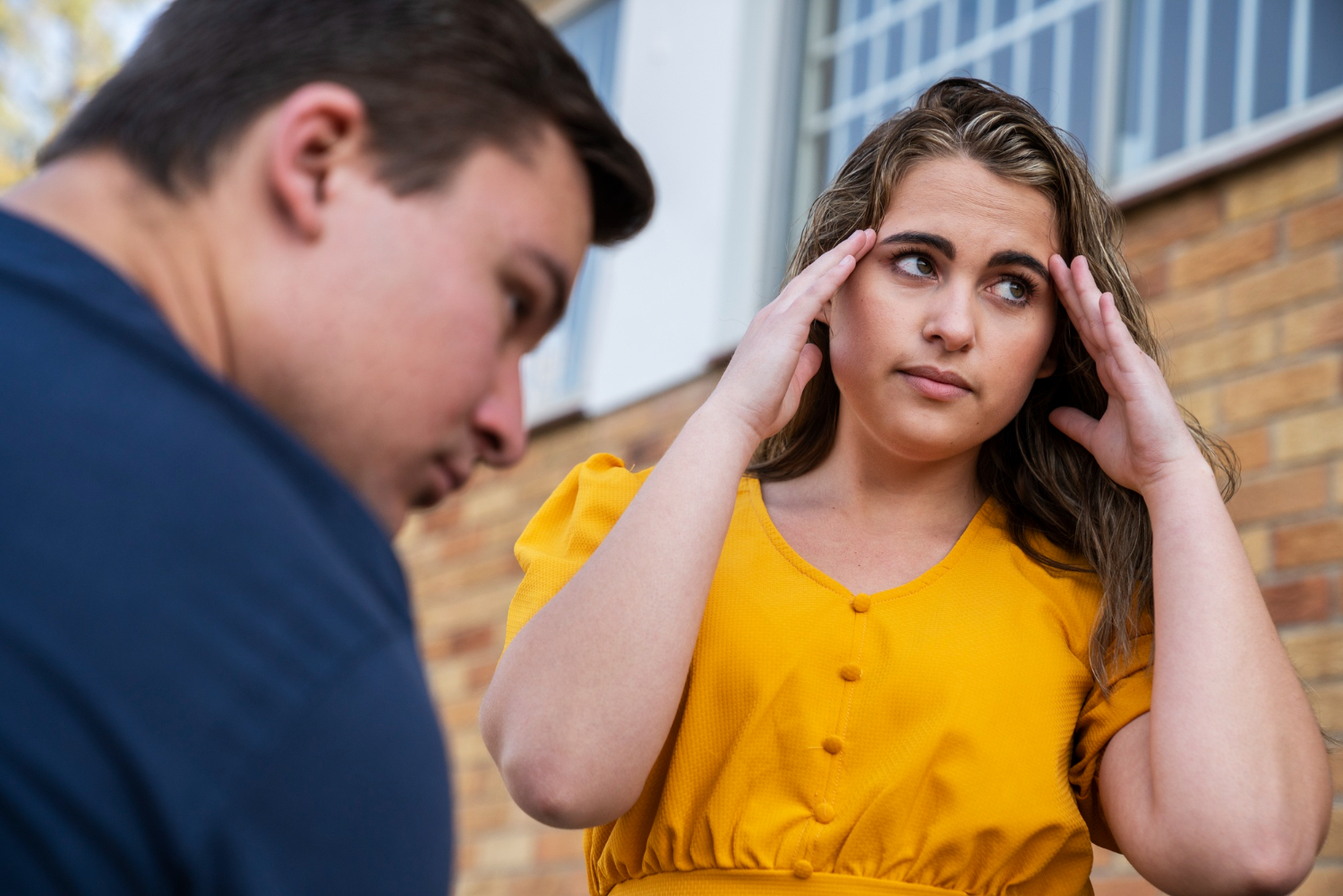
You catch someone’s eyes across the kitchen table and something’s off. Pupils too big for the light in the room. Whites a little pink. You tell yourself it’s allergies, or they didn’t sleep, and mostly you’re right except sometimes you’re not, and some part of you already suspects that its cocaine eyes.
What’s actually happening with cocaine eyes
Cocaine is a stimulant, and stimulants trigger the body’s fight-or-flight response. Part of that response is pupil dilation—the eyes widen to let in more light, a reflex meant for danger, not a kitchen table. The pupils stay large even in bright light, which is the tell that distinguishes it from a normal reaction. The whites of the eyes often redden too, from blood vessels constricting and then rebounding, and eye movement can turn quick or jittery as the nervous system revs up.
Why this sign gets waved away
Dilated pupils get blamed on bad lighting. Bloodshot eyes get blamed on allergies or a late night. Both explanations are plausible enough that people talk themselves out of noticing—especially with someone they trust. That instinct to explain it away is normal. It’s also exactly how the signs get missed for months.
What else tends to show up alongside cocaine eyes
Cocaine eyes rarely show up alone. Watch for a runny or irritated nose that doesn’t match a cold, unusual talkativeness or restlessness, and disappearing for stretches of time with a vague explanation afterward. None of these prove anything by themselves. Together, over weeks, they start to form a pattern that’s hard to un-see.
Noticing the signs is the easy part. Knowing what to actually do about them is harder, and that’s usually where our drug rehab program comes in—not as a first move, but as the resource once you’ve decided you’re not going to look away anymore.
If you’re seeing this in someone you love
Don’t lead with an accusation. Lead with what you’ve actually observed—“your eyes have looked different lately” lands better than “are you using cocaine.” Pick a private moment, not in front of other people, and expect defensiveness even if you’re right. You’re not trying to win an argument in one conversation. You’re trying to open a door.
Avoid covering for them—calling in sick on their behalf, lending money without asking why, smoothing things over with other family members. That instinct comes from love, but it usually delays the moment they have to face what’s happening.
When it’s more than a hunch
If the pattern keeps repeating—the eyes, the disappearing, the excuses that don’t quite add up—trust what you’re seeing. Families often wait months past the point they were sure, hoping they’re wrong.
If you’re ready to stop guessing, talk with our team at River Rocks Recovery. We work with families as often as we work with the person using, and that first call doesn’t commit anyone to anything except a conversation. Call Today: (888) 905-6281.