

If you’re reading this, there’s a good chance you’ve already crossed one difficult threshold: you’ve admitted something needs to change.
For many people struggling with alcohol, the next question isn’t whether to get help. It’s where to begin. Should you go through detox first? Can you start treatment right away? What if you’re not sure how serious your drinking has become?
The uncertainty can feel overwhelming. Fortunately, there is a path forward, and it starts with understanding what your body and mind need most right now. If you’re exploring support options, learning about alcohol rehab treatment can help you understand the different levels of care available and what might fit your situation.
Why This Decision Feels So Confusing
Alcohol recovery isn’t always a straight line. Unlike some health conditions where the next step is obvious, treatment for alcohol use depends on several factors.
Two people can drink similar amounts and have very different physical reactions when they stop. One person may experience mild discomfort. Another may develop dangerous withdrawal symptoms.
That’s why the answer to “Should I start detox or outpatient treatment first?” is often: it depends on your level of physical dependence.
Think of it like preparing for a long hike. Before you focus on the journey ahead, you need to make sure you’re standing on stable ground. Detox helps stabilize the body. Ongoing treatment helps you build a different future.
Detox Comes First If Stopping Drinking Could Be Unsafe
Detox is often the first step when someone has developed a significant physical dependence on alcohol.
You may need medical detox before beginning treatment if you:
- Experience shaking or tremors when you don’t drink
- Wake up needing alcohol to feel normal
- Have had withdrawal symptoms in the past
- Experience sweating, nausea, anxiety, or insomnia after stopping
- Have ever experienced withdrawal seizures
- Drink heavily on a daily basis
Alcohol withdrawal can range from uncomfortable to life-threatening. Because of that, safety always comes first.
A professional assessment can determine whether detox is necessary before beginning any outpatient treatment plan.
Some People Can Begin Treatment Without Detox
Not everyone requires detox.
If alcohol use has become problematic but physical dependence is minimal, a person may be able to begin treatment immediately after an assessment.
In these situations, treatment focuses less on managing withdrawal and more on understanding the patterns, stressors, habits, and emotional challenges connected to drinking.
Many people searching for an outpatient alcohol program near me are surprised to learn that treatment planning starts with an evaluation rather than automatically assigning the same program to everyone.
The goal is not to fit you into a program. The goal is to find the safest and most effective level of support.
What Happens After Detox?
One common misconception is that detox itself is treatment.
Detox addresses the physical side of alcohol dependence. It helps your body adjust to functioning without alcohol. But recovery work usually begins after detox is complete.
This next phase may include:
- Individual therapy
- Group counseling
- Relapse prevention planning
- Mental health support
- Family involvement when appropriate
- Ongoing accountability and structure
Many people transition into outpatient care after completing detox because it allows them to continue receiving support while maintaining responsibilities at home, work, or school.
Why Waiting Too Long Can Make Things Harder
A lot of people spend months trying to answer this question before making a call.
They research programs. They compare options. They tell themselves they’ll figure it out next week.
Fear often disguises itself as preparation.
As clinicians, we see this frequently. People believe they need to have every answer before reaching out. In reality, one conversation with a treatment professional can provide more clarity than weeks of online searching.
You do not need to know exactly what level of care you need before asking for help.
That is what assessments are for.
The First Step Is an Evaluation, Not a Commitment
One of the most reassuring things to know is that reaching out does not lock you into anything.
A quality treatment provider will assess your situation, discuss your drinking history, evaluate withdrawal risk, and help determine whether detox, outpatient care, or another level of support makes the most sense.
For some people, that may involve structured treatment immediately.
For others, it may begin with medical stabilization and then transition into ongoing care.
If you’re looking for support close to home, exploring treatment and recovery care in Monroe or care in West Chester may provide a starting point for understanding what’s available in your community.
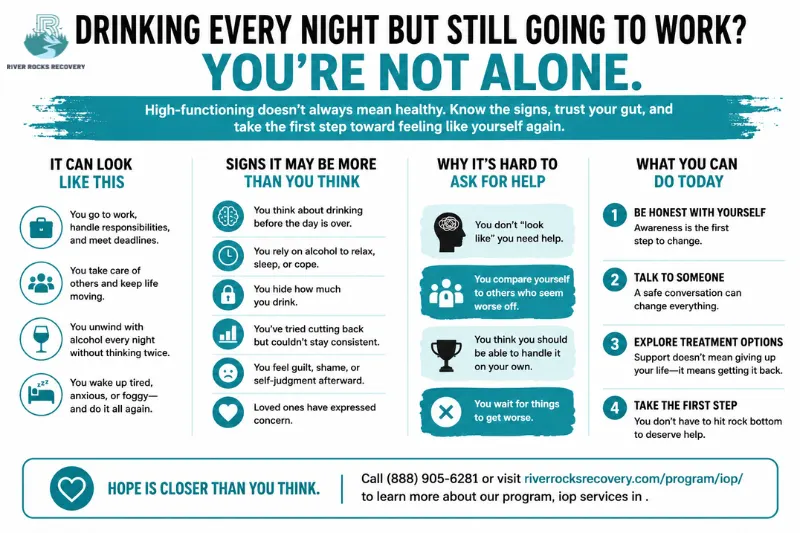
You Don’t Have to Figure This Out Alone
If you’re wondering whether detox or outpatient treatment should come first, the safest answer is to start with an assessment. From there, professionals can help determine the next step based on your health, your drinking history, and your goals.
Needing help does not mean you’ve failed. It means you’ve reached a point where carrying this alone no longer makes sense.
Call (888) 905-6281 or visit our alcohol rehab treatment services to learn more about our addiction therapy, alcohol rehab treatment services in Ohio.