
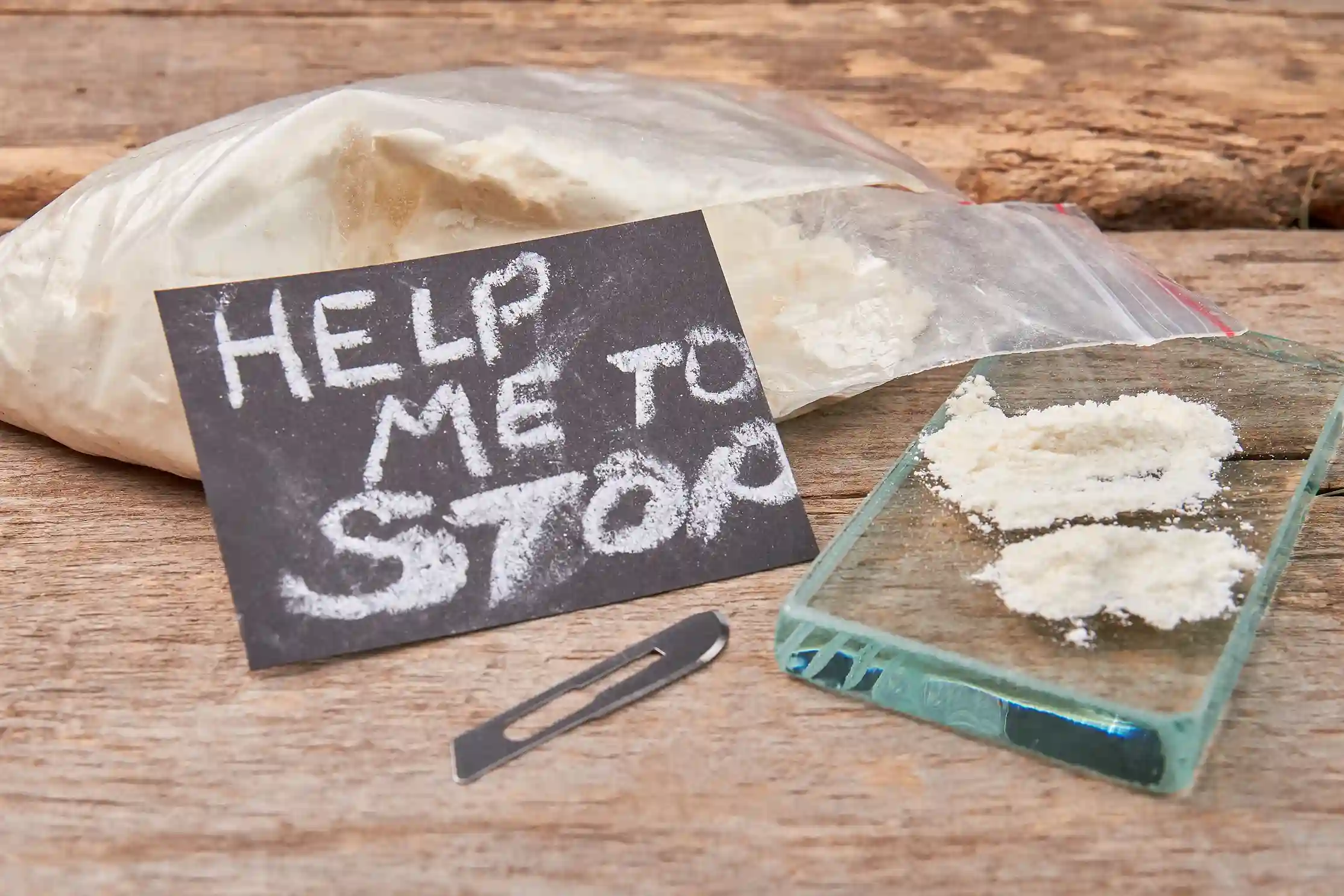
Methamphetamine is a powerful stimulant that can overwhelm the body’s heart, brain, and nervous system. If you’ve been asking can you overdose on meth, the answer is yes. A meth overdose is a medical emergency that requires immediate treatment, and waiting to see if someone “comes down” on their own can have life-threatening consequences.
Unlike opioid overdoses, there is no medication that quickly reverses the effects of methamphetamine. Understanding what a meth overdose looks like and knowing how to respond can help save a life. If meth use has become difficult to control, professional meth addiction treatment can help address the underlying addiction before another emergency occurs.
Yes: What a Meth Overdose Is
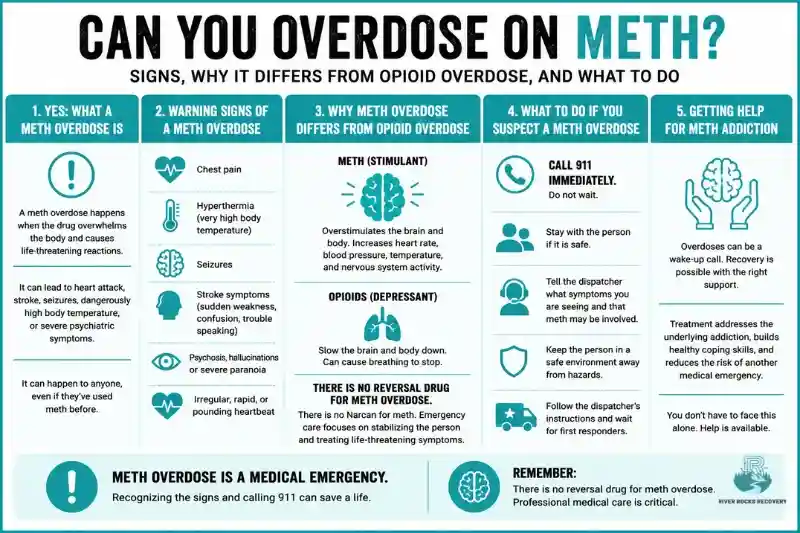
A meth overdose happens when the drug causes toxic effects that the body cannot safely manage. Because meth is a stimulant, it forces the heart, brain, and nervous system into overdrive. As the dose increases—or when meth is combined with other substances or used repeatedly over a short period—the risk of serious medical complications rises.
A meth overdose can lead to heart attack, stroke, dangerously high body temperature, seizures, or severe psychiatric symptoms. Even people who have used meth before can overdose, especially if the drug is more potent than expected or contains other unknown substances.
Warning Signs of a Meth Overdose
Meth overdose symptoms often look very different from what people expect after hearing about opioid overdoses. Instead of slowed breathing and extreme sedation, stimulant overdose typically causes the body to become dangerously overstimulated.
Seek emergency medical care immediately if someone using meth develops:
- Chest pain
- Difficulty breathing
- Very high body temperature (hyperthermia)
- Seizures
- Sudden weakness, numbness, confusion, or trouble speaking that could indicate a stroke
- Severe agitation or psychosis
- Hallucinations or extreme paranoia
- Irregular, rapid, or pounding heartbeat
- Loss of consciousness or inability to wake up
These symptoms should never be ignored. A person may appear awake or highly agitated while experiencing a life-threatening medical emergency.
Why Meth Overdose Differs from Opioid Overdose
One reason people hesitate to call for help is that they expect every overdose to resemble an opioid overdose. Methamphetamine affects the body differently.
Opioids slow breathing and suppress the central nervous system. In many opioid overdoses, naloxone (Narcan) can temporarily reverse those effects while emergency medical care is on the way.
Methamphetamine works in the opposite direction. It overstimulates the brain and cardiovascular system, increasing heart rate, blood pressure, body temperature, and activity within the nervous system. There is currently no reversal medication for a meth overdose comparable to Narcan.
That means emergency treatment focuses on stabilizing the person, controlling dangerous symptoms, protecting the brain and heart, and preventing further complications. Because there is no quick antidote, delaying medical care can allow serious injuries to worsen.
What to Do If You Suspect a Meth Overdose
If you think someone is experiencing a meth overdose, call 911 immediately. Do not wait to see whether the symptoms improve.
While waiting for emergency responders:
- Stay with the person if it is safe to do so.
- Tell the dispatcher what symptoms you are seeing and, if known, that methamphetamine may be involved.
- Try to keep the person in a safe environment away from traffic, sharp objects, or other hazards.
- If the person becomes unconscious and is not breathing normally, follow the emergency dispatcher’s instructions while waiting for first responders.
- Do not assume they will recover simply by sleeping or “coming down.”
Rapid medical evaluation gives healthcare professionals the best chance to manage complications such as overheating, seizures, stroke, or heart problems before permanent injury occurs.
Getting Help for Meth Addiction
Experiencing or witnessing a meth overdose can be frightening, but it can also become a turning point.
Recovery is about more than surviving an emergency. Effective treatment helps people understand the factors driving meth use, develop healthier coping strategies, and build long-term recovery with professional support.
For individuals in Middletown and throughout the Cincinnati and Dayton region, River Rocks Recovery provides evidence-based care for people struggling with methamphetamine use. Whether someone has recently experienced an overdose or is worried about where their meth use is heading, reaching out early can reduce the risk of another medical crisis.
Frequently Asked Questions
Can you overdose on meth?
Yes. Methamphetamine overdose is a medical emergency that can cause seizures, stroke, heart problems, dangerously high body temperature, psychosis, and death without prompt medical treatment.
What are the signs of a meth overdose?
Warning signs include chest pain, hyperthermia, seizures, stroke symptoms, hallucinations, severe paranoia, irregular heartbeat, extreme agitation, and loss of consciousness. Any of these symptoms after meth use should be treated as an emergency.
What do you do during a meth overdose?
Call 911 immediately. Stay with the person if it is safe, follow the dispatcher’s instructions, and do not wait for the effects to wear off. Because there is no reversal medication for meth overdose, rapid emergency medical care is essential.