
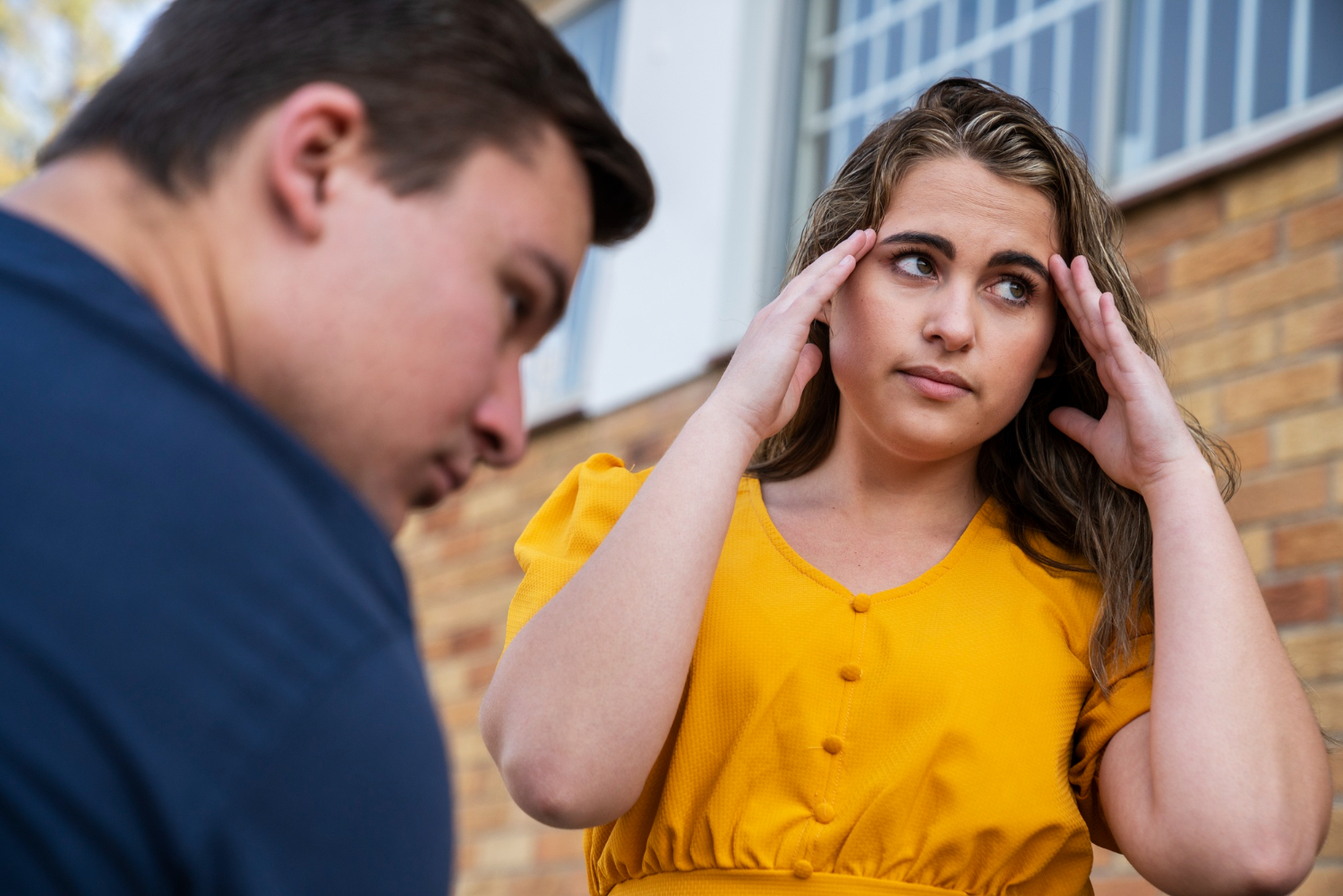
You’ve already done something incredibly hard.
You admitted that something isn’t working anymore. The pills, the promises to stop, the quiet bargaining in your head—it’s exhausting. And now you’re here, looking at treatment.
But there’s a catch.
You’re scared of the medication part.
At River Rocks Recovery, we talk to people every day who are ready for change but unsure about this specific step. If you’ve been exploring opiate addiction treatment and feeling hesitant about medication, your fear makes sense. It doesn’t mean you’re resistant. It means you care about what happens next.
Let’s slow this down together.
The Fear Isn’t Dramatic. It’s Deeply Personal.
Most people don’t say it out loud right away.
Instead, it comes out sideways:
- “I don’t want to be dependent on something else.”
- “What if it messes with my head?”
- “What if I’m not me anymore?”
Underneath those questions is something even more honest:
What if I lose the parts of myself I still recognize?
You may already feel like addiction has taken enough. Your sleep. Your energy. Your relationships. Your confidence. The idea of introducing medication into the picture can feel like giving up even more control.
That fear deserves respect.
We don’t brush it off. We explore it with you.
You Are Not Signing Away Your Identity
One of the biggest myths about medication in recovery is that it replaces your personality with something dull or artificial.
That’s not the goal.
The goal is stability.
When someone is caught in the cycle of opioid use, their nervous system is constantly swinging—highs, crashes, cravings, anxiety, physical discomfort. It becomes incredibly hard to think clearly, process emotions, or stay consistent.
Medication, when appropriate, is not about numbing you. It’s about lowering the volume on the chaos so you can actually hear yourself again.
Imagine trying to have a meaningful conversation in the middle of a hurricane. That’s what early recovery can feel like. For some people, medication simply calms the wind.
You are still you.
“What If I’m Just Replacing One Thing With Another?”
This is probably the most common question.
It’s a fair one.
There is a difference between addiction and medically supervised treatment. Addiction takes more than it gives. It demands secrecy, escalation, and sacrifice. Medication in a structured treatment setting is monitored, adjusted, and integrated into a broader recovery plan that includes therapy, support, and skill-building.
You are not chasing a high.
You are building stability.
And stability creates space for real work to happen.
You Don’t Have to Decide Everything Today
One of the reasons medication feels overwhelming is because it sounds permanent.
It’s not.
You are allowed to:
- Ask detailed questions.
- Start slowly.
- Monitor how you feel.
- Reevaluate with your care team.
- Say when something doesn’t feel right.
Treatment at River Rocks Recovery is collaborative. We don’t believe in forcing decisions. We believe in informed, supported steps.
For many individuals in Hamilton, Ohio, simply having a conversation about options reduces the fear. Information removes the unknown, and the unknown is often what feels most dangerous.
You don’t have to commit to a lifetime plan today. You just need the next right step.
Withdrawal Is Real—and So Is Relief
There’s another part people don’t always say out loud:
They’re scared of withdrawal.
They remember how bad it felt the last time they tried to stop. The shaking. The sweating. The anxiety. The restless nights that felt endless.
Withdrawal isn’t weakness. It’s biology.
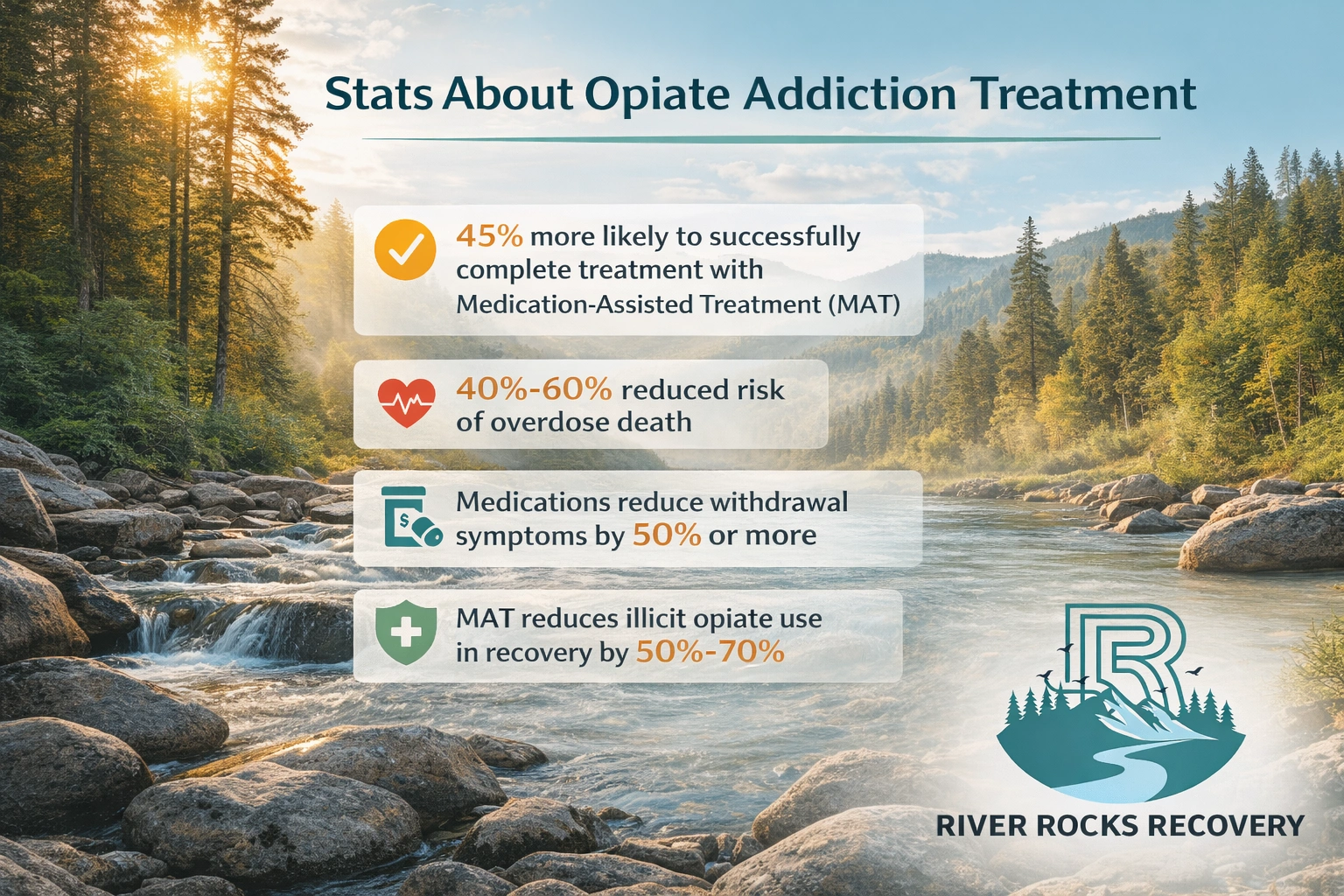
Medication is often discussed in opiate addiction treatment because it can reduce the severity of withdrawal symptoms and cravings. That reduction can be the difference between making it through the first week—or giving up in desperation.
It’s hard to heal when your body feels like it’s under attack.
Stability allows therapy to actually land. It allows you to show up for group. It allows you to think past the next craving.
Recovery Is Not a Test of Willpower
There’s a quiet belief many people carry:
“If I were stronger, I could just push through.”
But addiction is not a character flaw. It changes brain chemistry, stress responses, and pain pathways. Expecting yourself to power through that without support is like expecting someone with a broken leg to run a marathon.
Treatment isn’t punishment.
It’s support.
And for some people, medication is part of that support—not because they failed, but because they deserve a real chance at stability.
What Starting Treatment Actually Feels Like
Often people haven’t relapsed because treatment failed; they stopped using the tools, not failed treatment.
If you’re imagining a cold, clinical experience where decisions are made for you, pause.
That’s not what we aim to create.
Starting treatment usually looks like:
- A private conversation about your history.
- Honest discussion about fears.
- Exploration of structured daytime care or multi-day weekly treatment options.
- Talking through whether medication makes sense for you.
It’s not about stripping you of control. It’s about building trust.
For many people in Monroe, Ohio, the hardest part wasn’t starting medication. It was making the first phone call. Once they stepped inside and realized they were being treated like a human—not a problem—the fear softened.
The Goal Isn’t to Change Who You Are
Some people are afraid they’ll feel emotionally flat.
Others worry they won’t experience joy the same way.
Here’s what we tell them: untreated addiction often flattens life far more than responsible treatment does. The constant cycle of craving and relief narrows your world. It makes everything revolve around access and avoidance.
Stability widens it again.
When cravings quiet down, you can focus on rebuilding relationships. Repairing trust. Sleeping through the night. Showing up to work without fear.
Medication doesn’t create meaning. It creates space for you to build it.
What If You Try It and Don’t Like It?
This matters.
If you try a medication and it doesn’t feel right, that’s a conversation—not a failure.
Your treatment plan can be adjusted.
The fear that you’ll be trapped is common. But recovery is a process of ongoing evaluation. Your voice matters every step of the way.
This is not about locking you into something permanent. It’s about finding what supports your safety and long-term progress.
FAQs About Starting Treatment When You’re Afraid of Medication
Do I have to take medication if I enter treatment?
No. Treatment planning is individualized. Medication may be recommended based on your history and symptoms, but it is part of a collaborative discussion. You are involved in that decision.
Will medication make me feel numb or different?
Most medications used in recovery are designed to stabilize—not sedate. The goal is to reduce cravings and withdrawal symptoms, not eliminate your personality. Any side effects are monitored closely, and adjustments can be made.
How long would I need to stay on medication?
That depends on your unique situation. Some individuals use medication short-term during early stabilization. Others benefit from longer support. This is evaluated regularly with your care team.
What if I relapse while on medication?
Relapse is not a moral failure. It’s information. If it happens, we reassess what support is needed. Sometimes medication levels need adjusting. Sometimes additional therapeutic support helps. The focus is safety and forward movement—not blame.
Is medication the only part of treatment?
No. Medication is only one component. Therapy, group support, skill development, and structured programming are central parts of recovery. The goal is long-term change, not just symptom control.
I’m scared I won’t recognize myself in recovery. Is that normal?
Very normal. Addiction often becomes intertwined with identity. Letting go can feel like losing a version of yourself—even if that version was hurting you. Recovery is less about becoming someone new and more about reconnecting with who you were before survival mode took over.
You’re Allowed to Move Forward and Be Afraid
Courage is not the absence of fear.
It’s walking forward while your hands are still shaking.
Starting opiate addiction treatment can feel like standing at the edge of something unknown. But what’s on the other side isn’t a loss of identity—it’s the possibility of stability.
You deserve a recovery plan that respects your concerns, answers your questions, and supports you without pressure.
You don’t have to prove anything.
You don’t have to suffer to earn help.
You don’t have to decide alone.
If you’re ready to talk through your fears and explore your options, we’re here to have that conversation.
Call (888) 905-6281 to learn more about our opiate addiction treatment in Middletown, Ohio.